The Story of Abdul Kareem Egyptian Musk™: A Fragrance That Quietly Became a Cult Classic
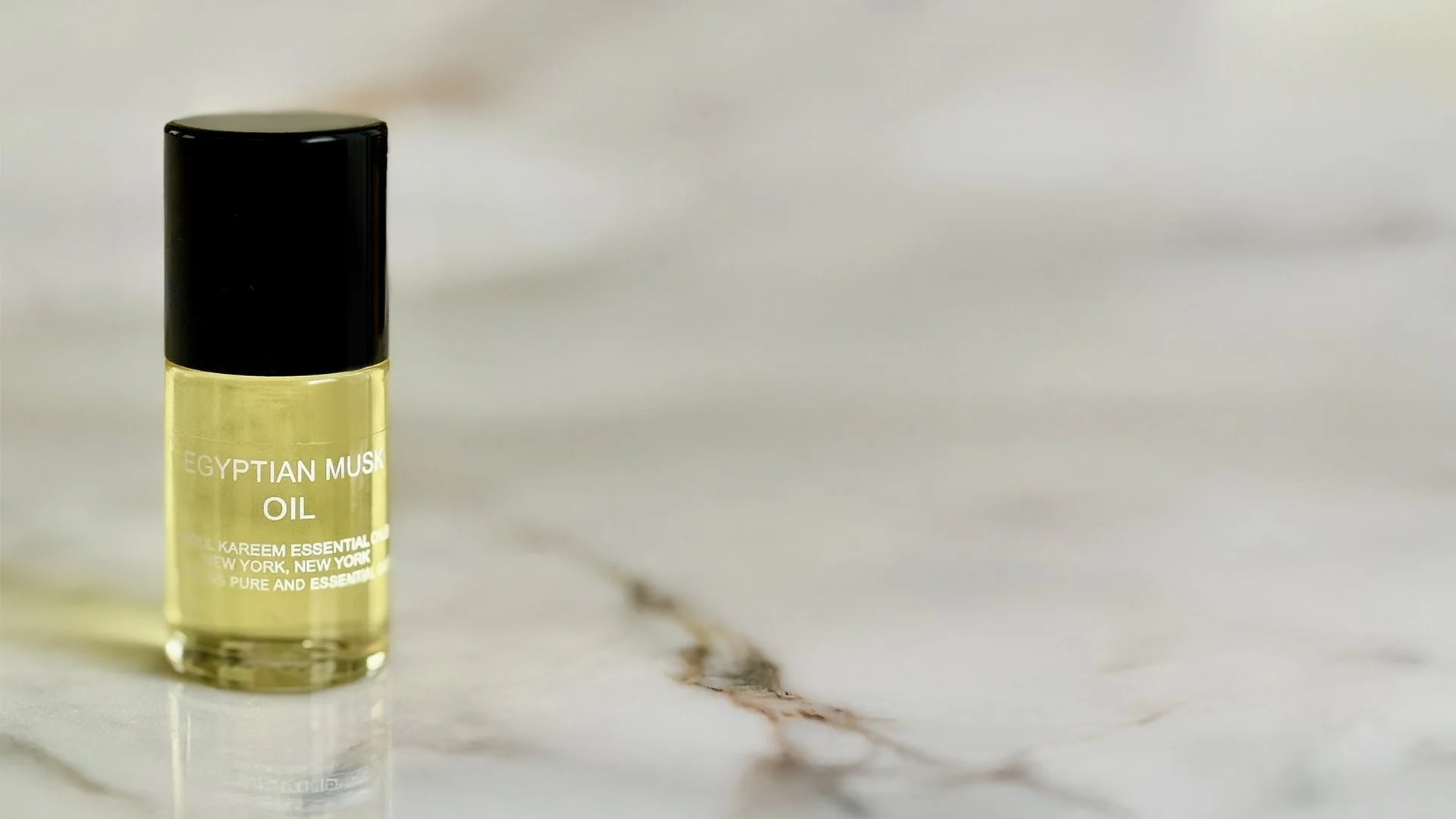
Some brands are built through advertising. Others are built through memory.
Long before fragrance became social media content or “quiet luxury” entered the cultural lexicon, Abdul Kareem Egyptian Musk™ had already earned a devoted following. It wasn’t promoted by celebrity campaigns or department-store counters. Instead, it spread the old-fashioned way: one bottle, one recommendation, one loyal customer at a time.
Today, Abdul Kareem Egyptian Musk™ is recognized worldwide as a timeless, coveted nostalgic scent. The fragrance is often cited as Carolyn Bessette-Kennedy's favorite perfume. Yet the mystique extends far beyond celebrity. It is a story about independent fragrance culture, family stewardship, New York City, and the survival of a fragrance reputation that has endured for decades.
A Fragrance Born in New York
Unlike many heritage fragrance houses, Abdul Kareem Egyptian Musk™ doesn’t have a widely documented history. Much of what is publicly known comes from contemporary reporting, beauty publications, fragrance enthusiasts, and those who encountered the fragrance firsthand.
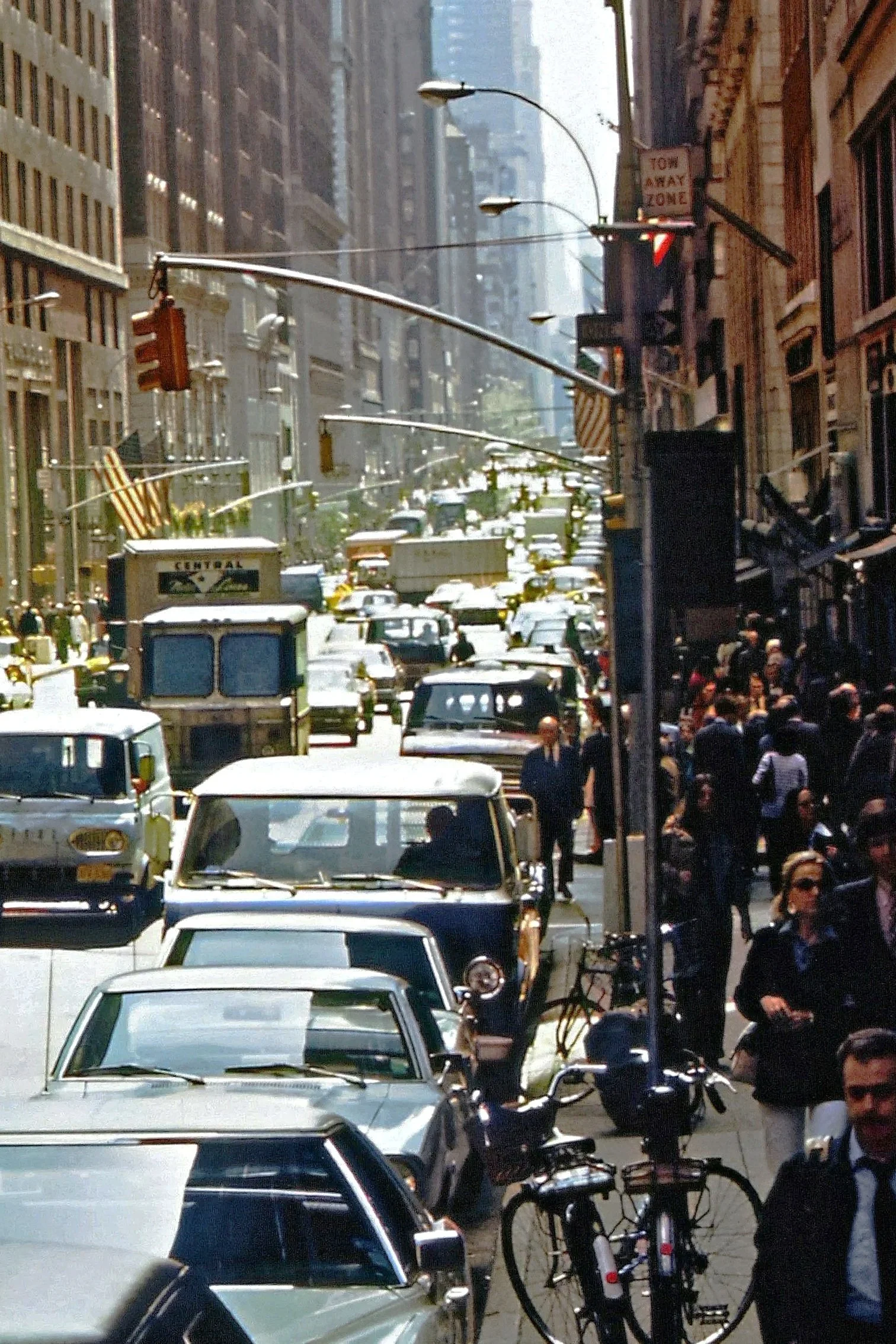
NYC, 1980s, courtesy of unsplash
Multiple publications describe Abdul Kareem as a fragrance sold by New York City street vendors during the late 1980s, when fragrance oils were easy grab-and-go beauty products sold amidst sticks of richly fragrant incense.
At the time, street vendors sold perfume oils such as Egyptian Musk, amber, patchouli, sandalwood, and jasmine throughout New York. Unlike traditional alcohol-based perfumes, these concentrated oils were affordable, portable, and fun to collect and share with friends.
Abdul Kareem Egyptian Musk™ grew out of this fragrance tradition.
Egyptian Musk and the Rise of the Skin Scent
To understand Abdul Kareem, it helps to understand Egyptian musk itself.
Egyptian musk typically refers to a fragrance style of oil blends rooted in ritual and identity. These attars, or oil formulas, are warm and close to the skin, designed to emanate subtly. Historically, these aromas were steeped in ceremony and reverence. These oils were used for anointing, beauty, and ritual. Over time, as modern fragrances evolved and society shifted, scent became a more personal statement.
During the 1970s and 1980s, Egyptian musk became enormously popular alongside patchouli, amber, and sandalwood oils, offering an approachable alternative to louder department-store perfumes. Rather than announcing itself across a room, Egyptian musk is often described as nuanced, becoming part of the wearer. Notes are sometimes framed as clean, lightly powdery, softly floral, subtly sweet, and intimate.
Today, perfumers call this style a “skin scent.” Decades before the term became fashionable, Abdul Kareem Egyptian Musk™ embodied this ethos. For many, these oils harken back to ancestral heritage, creating a sense of individuality and aromatic ornamentation. Plus, they offer an approachable, easy luxury of personal perfume since the oils harmonize with one’s chemistry.
Carolyn Bessette-Kennedy and an Enduring Legacy
Over the years, the scent has appealed to all genders. French film actress Corinne Calvet loved the scent and noted its enduring magic: dancing or body heat activates the oil, bringing the fragrance back to life after hours of wear. Narciso Rodriguez purportedly used the musk as inspiration when he developed his award-winning commercial fragrance, For Her, based on his affection for his dear friend, Carolyn Bessette-Kennedy. Probably no individual has influenced the cultural legacy of Abdul Kareem Egyptian Musk™ more than CBK.
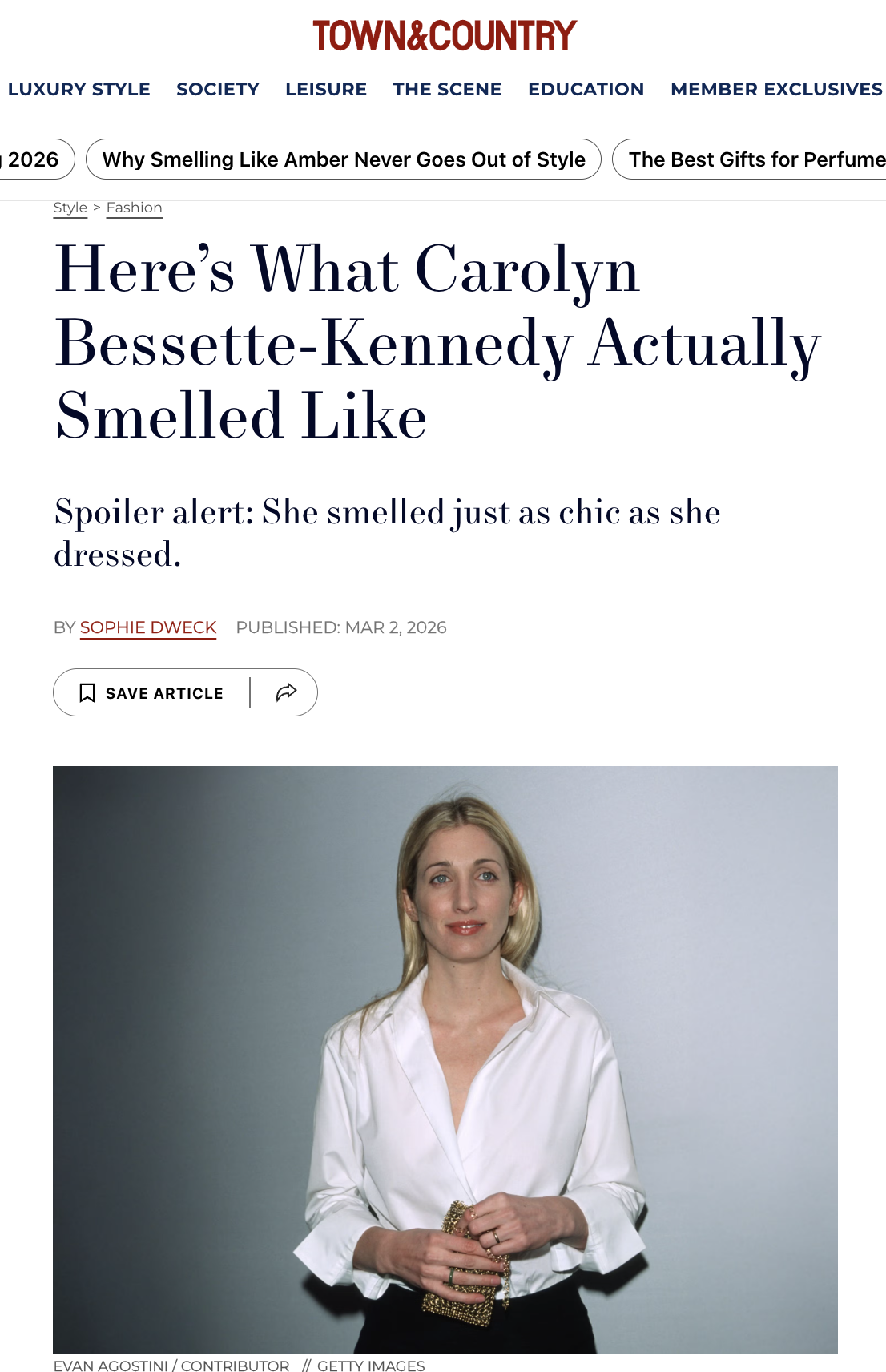
According to biographers Elizabeth Beller, Carole Radziwill, and several beauty publications, Carolyn often bought Abdul Kareem Egyptian Musk Oil from New York street vendors and shared it with friends. She could wear any perfume, regardless of cost, but she favored a humble street scent. Rather than an expensive designer fragrance, she preferred a modest bottle of perfume oil that embodied an understated character and reflected her own aesthetic beyond social cues and posturing. Quiet luxury.
Members of the Calvin Klein team said Egyptian musk was Carolyn’s constant, defining olfactory signature. Over time, this association transformed Abdul Kareem Egyptian Musk™ into one of beauty’s most enduring cult fragrances.
More than twenty-five years after Carolyn’s passing, journalists, stylists, fragrance experts, and fashion historians continue to ask the same question:
What perfume did Carolyn Bessette-Kennedy wear?
Across most reporting and press clips, the answer leads back to Abdul Kareem Egyptian Musk™.
Preserving a Cult Fragrance
Many cult products disappear. Abdul Kareem Egyptian Musk™ did not.
Beginning in the late 1990s and early 2000s, writer Charlotte Vale Allen became the fragrance's authorized seller worldwide. Through early online marketplaces including Amazon and eBay, she introduced the fragrance to a growing international audience, preserving access to a product that might otherwise have faded from public view. For years, the fragrance remained something of an insider secret. Customers discovered it through recommendations. They reordered it faithfully. Many introduced it to family members and friends.
Rather than growing through conventional marketing, Abdul Kareem Egyptian Musk™ grew through word of mouth. If you know, you know.
The Perfume Oil Tradition
To understand Abdul Kareem Egyptian Musk™, it also helps to understand the world in which it emerged. Long before fragrance "dupes" became a category of their own, perfume oils occupied a distinct place in American fragrance culture. During the 1970s and 1980s, independent fragrance oils—including Egyptian musk, frankincense, amber, patchouli, sandalwood, jasmine, and countless other original blends—were prized for their own character rather than their resemblance to designer perfumes. Sold by New York City street vendors, these oils offered a more intimate way to wear fragrance: close to the skin, highly personal, and shared among friends rather than advertised. Some felt they’d blend with one’s own distinct pheromones and essence to create a scent distinctly one’s own.
These oils were not viewed as alternatives to luxury perfume—they were a category unto themselves. Appreciated for craftsmanship, individuality, and the unique way each fragrance evolved on the wearer's skin, they represented a distinctive philosophy of scent: one rooted in originality, accessibility, and personal connection rather than prestige branding or keeping up with the proverbial Joneses.
A Changing Marketplace
As fragrance oils grew in popularity during the early 2000s, the marketplace evolved, and name-brand status-signaling positioning grew exponentially. Independent perfume oils increasingly shared shelf space with "inspired-by" fragrances designed to evoke popular designer scents. While those products introduced fragrance oils to new audiences, they also shifted public perception of the category. The earlier tradition—original perfume oils celebrated for their own distinctive compositions—became less visible as the market expanded.
Throughout those changes, Abdul Kareem Egyptian Musk™ remained rooted in original tradition. Rather than following trends or positioning itself as an interpretation of another fragrance, it remained a fragrance with its own devoted following and an enduring place in perfume oil culture. Today, Abdul Kareem Essential Oils™ carries that legacy forward, preserving one of the few surviving heritage perfume oils whose story began long before the modern dupe market.
A New Generation Discovers Abdul Kareem
Interest in Carolyn Bessette-Kennedy has steadily increased over the past decade. Her minimalist wardrobe, timeless style, and understated approach to beauty have inspired a new generation seeking authenticity over excess. That renewed fascination accelerated dramatically following the release of Love Story: John F. Kennedy Jr. & Carolyn Bessette, which introduced millions of viewers to the couple’s story. Almost immediately, beauty editors, fashion writers, and fragrance enthusiasts began searching for Carolyn’s signature scent.
Major publications—including The Cut, New York Magazine’s The Strategist, Town & Country, Elle, Marie Claire, BuzzFeed, Who What Wear, Byrdie, NewBeauty, and others—published articles examining Abdul Kareem Egyptian Musk™ and its connection to Carolyn. Demand increased dramatically. Longtime customers suddenly found the community expanded exponentially, with a new generation of fragrance oil enthusiasts eager to experience the scent for themselves.
Why Abdul Kareem Egyptian Musk™ Endures
The enduring appeal of Abdul Kareem Egyptian Musk™ reflects something deeper than simply a trend. It represents a style of fragrance that has become increasingly rare:
understated rather than overpowering
personal rather than performative
timeless rather than trend-driven.
In many ways, the fragrance anticipated today’s appreciation for minimalism and quiet luxury decades before those terms entered popular culture. Its continued relevance speaks not only to changing tastes, but to the enduring heritage of the legacy brand.
Today, Abdul Kareem Essential Oils™ continues to steward the fragrance and preserve its legacy for future generations. What remains constant is the fragrance itself—and the generations of people who have quietly passed it from one person to another for decades.
Timeline of Abdul Kareem Egyptian Musk
1970s–1980s: Abdul Kareem Egyptian Musk fragrance oils gain popularity throughout New York City’s independent fragrance culture.
1980s: Abdul Kareem Egyptian Musk™ develops a devoted following.
1990s: Carolyn Bessette-Kennedy reportedly adopts Abdul Kareem Egyptian Musk™ as her signature fragrance.
Late 1990s–Early 2000s: Author Charlotte Vale Allen becomes the authorized seller and expands availability through her website, Amazon, and eBay.
2019: International media attention introduces the fragrance to a broader audience.
2025–2026: Renewed fascination with Carolyn Bessette-Kennedy and the release of Love Story generate unprecedented worldwide interest in Abdul Kareem Egyptian Musk™.
Frequently Asked Questions
What is Abdul Kareem Egyptian Musk™?
Abdul Kareem Egyptian Musk™ is a cult fragrance oil that originated within New York City’s fragrance oil culture and became widely known as the perfume associated with Carolyn Bessette-Kennedy. This market in the perfume space was an approachable, accessible product base featuring simple blends.
Is Abdul Kareem Egyptian Musk™ the original Egyptian musk?
Egyptian musk refers to a broader fragrance family. Abdul Kareem Egyptian Musk™ is one distinctive interpretation that developed its own loyal following and cultural significance.
Why is Abdul Kareem Egyptian Musk™ famous?
The fragrance is best known for its association with Carolyn Bessette-Kennedy, whose enduring influence on fashion and beauty has introduced new generations to the scent, but many simply love the perfumed oil and are unaware of the CBK connection. This is the enduring heritage of this brand.